
Quick Summary
| Key Insight | What You Need to Know |
|---|---|
| Defining Omnichannel vs Multichannel | Defining Omnichannel vs Multichannel Retail |
| How Amazon's Strategy Differs | How Amazon's Strategy Differs from Traditional Multichannel |
| Amazon MCF (Multi-Channel Fulfillment) | Amazon MCF (Multi-Channel Fulfillment) Explained |
| Amazon Omnichannel Strategy Examples | Amazon Omnichannel Strategy Examples |
| Key Differences in Customer | Key Differences in Customer Experience |
| Data Integration and Inventory | Data Integration and Inventory Synchronization |
Table of Contents
- Defining Omnichannel vs Multichannel Retail
- How Amazon's Strategy Differs from Traditional Multichannel
- Amazon MCF (Multi-Channel Fulfillment) Explained
- Amazon Omnichannel Strategy Examples
- Key Differences in Customer Experience
- Data Integration and Inventory Synchronization
- What Amazon's Model Means for Your Business
- Conclusion
- Frequently Asked Questions
Last Updated: August 11, 2026
Defining Omnichannel vs Multichannel Retail
Omnichannel retail is a unified commerce strategy where customers experience seamless interactions across all sales channels, with inventory, pricing, and customer data synchronized in real time. Multichannel retail operates separate channels that function independently, a customer buying online has a different experience than one shopping in-store, and inventory isn't automatically updated across platforms.
The distinction matters because it fundamentally changes how businesses operate. Multichannel is older, simpler, and more common. Omnichannel requires deeper integration but delivers better customer retention and higher lifetime value. In a multichannel model, a customer might check inventory online, find a product listed as "in stock," drive to the store, and discover it's actually sold out. In an omnichannel model, that inventory is real-time across all channels.
For SMBs and marketplace sellers, this distinction is critical. If you're selling on Amazon and eBay simultaneously, a multichannel approach means managing each channel separately with different listings and inventory counts. An omnichannel approach means one product database that feeds both channels automatically. Marqetir, for example, enables unified listing automation across marketplaces, transforming Shopify or WooCommerce data into synchronized listings without manual channel management.
How Amazon's Strategy Differs from Traditional Multichannel
Amazon operates a sophisticated hybrid model that appears omnichannel in some respects but remains fundamentally multichannel in others. The company maintains distinct channels: Amazon.com (first-party retail), Marketplace (third-party sellers), Amazon Business (B2B), and Amazon Fresh (grocery). Each channel operates with its own inventory, pricing, and fulfillment logic.
Where Amazon differs from traditional multichannel is in its infrastructure. Most multichannel retailers use separate systems for each channel and manually reconcile data. Amazon built a centralized backend that powers all channels simultaneously. When a seller lists a product on Amazon Marketplace, that same product can be fulfilled by Amazon's own logistics network (FBA, Fulfillment by Amazon) or integrated with Amazon's own retail operations.
However, Amazon doesn't offer true omnichannel in the retail sense. You can't buy on Amazon.com, pick up at a physical Amazon store, and have that transaction reflected in your Marketplace seller account. Amazon Fresh operates separately from Amazon.com. Amazon Go (cashierless convenience stores) is siloed from the main retail platform. This channel fragmentation is multichannel behavior, even if the backend infrastructure is more integrated than most competitors.
What Amazon actually pioneered is channel-optimized fulfillment, the ability to route orders through whichever fulfillment method is cheapest and fastest for that specific product and customer. A seller using Amazon MCF (Multi-Channel Fulfillment) can send inventory to Amazon's warehouses and have it fulfilled across multiple channels from a single stock pool, which creates the appearance of omnichannel integration without requiring true unified commerce architecture.
Amazon MCF (Multi-Channel Fulfillment) Explained
Amazon MCF allows third-party sellers to store inventory in Amazon's fulfillment centers and have that same inventory fulfilled for orders placed on external channels, eBay, Shopify, WooCommerce, or the seller's own website. This is a powerful tool for multichannel sellers because it centralizes fulfillment without requiring omnichannel software.
Here's how it works: A seller uploads inventory to Amazon FBA (Fulfillment by Amazon). When an order comes in from eBay, the seller routes it through MCF, and Amazon picks, packs, and ships it from their warehouse. From the customer's perspective, they receive a package from Amazon, but the order actually originated on eBay.
MCF solves a real problem for multichannel sellers: managing multiple warehouses or shipping everything yourself. Instead of maintaining separate inventory for Amazon and eBay, a seller keeps one pool and fulfills both channels from it. The limitation is significant: MCF doesn't synchronize inventory automatically. If a seller lists 100 units on Amazon and 100 units on eBay from the same MCF pool, they must manually adjust listings as inventory sells. This is where tools like Marqetir add value by automatically updating listings across marketplaces when stock changes.
MCF is fundamentally a fulfillment service, not an omnichannel platform. It makes multichannel operations more efficient by centralizing the logistics layer, but the channels remain separate from a data and customer experience perspective.
Amazon Omnichannel Strategy Examples
Amazon's actual omnichannel initiatives are limited and experimental:
Buy Online, Pickup In-Store (BOPIS): Amazon experimented with this through Whole Foods (acquired in 2017). Customers can order online and pick up at a physical location, but this integration is limited to Whole Foods and Amazon Fresh, not the broader Amazon.com ecosystem.
Amazon Go Integration: Amazon's cashierless convenience stores accept Amazon accounts and Prime membership, but they operate as a separate channel with no inventory synchronization between Go and Amazon.com.
Amazon Business: This B2B channel uses the same backend as Amazon.com but maintains separate pricing, catalogs, and business logic. A product on Amazon.com may not appear on Amazon Business, or it may have different pricing.
Alexa Integration: Amazon allows customers to reorder through Alexa using their purchase history. This is a touchpoint integration rather than true omnichannel because inventory and fulfillment still operate through the same Amazon.com backend.
The reality is that Amazon's "omnichannel" efforts are marketing language. The company operates an advanced multichannel system with shared infrastructure and sophisticated routing logic, but it hasn't built the customer experience unification that defines true omnichannel retail.
Key Differences in Customer Experience
The customer experience gap between omnichannel and multichannel becomes obvious in real-world scenarios. In a true omnichannel system, a customer's journey is seamless across touchpoints. In multichannel systems like Amazon's, the experience fragments.
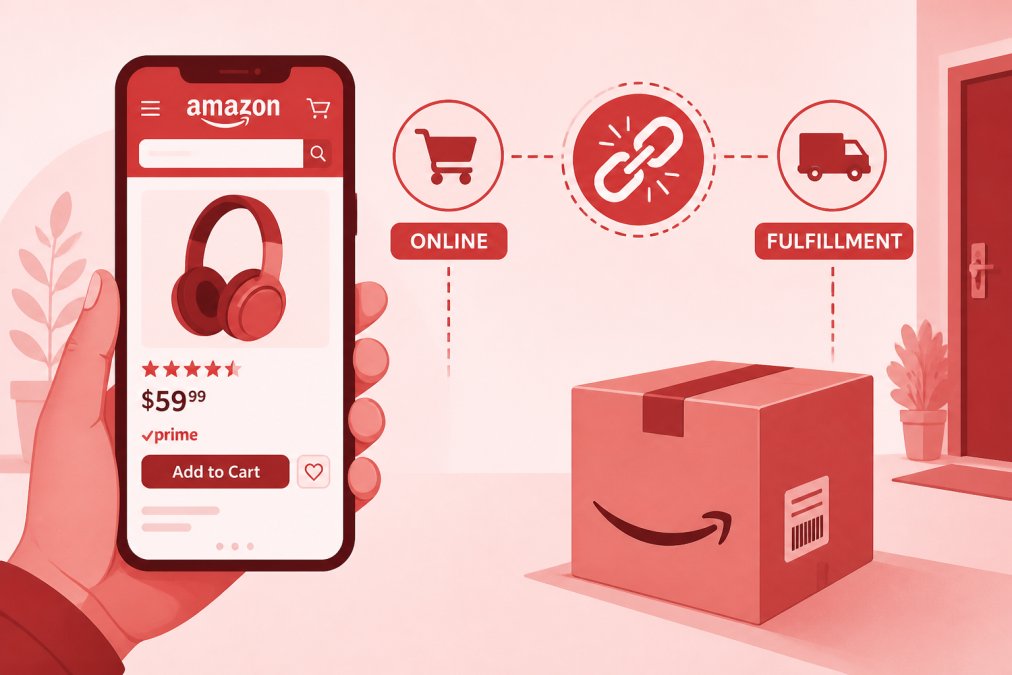
Inventory Visibility: On Amazon, a customer can check availability on Amazon.com. If they then try to purchase the same item through a third-party seller on Marketplace, the inventory counts are separate. A true omnichannel system would show unified inventory across all channels.
Pricing Inconsistency: Amazon allows sellers to set different prices for the same product on Amazon.com versus Marketplace. Omnichannel retailers maintain price consistency across all touchpoints, which builds trust; fragmented pricing creates confusion and abandonment.
Order History and Personalization: Amazon maintains unified customer profiles across channels, but recommendations are channel-specific. Your Amazon.com recommendations differ from your Marketplace recommendations, even though they're based on the same purchase history.
Returns and Customer Service: Returning an item purchased on Amazon.com requires a different process than returning a Marketplace purchase. In omnichannel systems, returns are unified regardless of which channel the order came from.
Fulfillment Transparency: Amazon provides order tracking, but tracking information varies by fulfillment method. Omnichannel systems provide consistent fulfillment visibility regardless of which backend process handles the order.
These gaps exist because Amazon's channels optimize for different business objectives, not for unified customer experience.
Data Integration and Inventory Synchronization
The technical difference between multichannel and omnichannel comes down to data architecture. Multichannel systems have separate databases or siloed data. Omnichannel systems have a centralized, real-time data layer that all channels pull from.
Amazon operates a hybrid: it has a centralized backend, but channels access it through different APIs and business logic layers. When a seller uses MCF to fulfill orders from eBay, Amazon's system tracks that inventory. But eBay doesn't have direct access to Amazon's inventory database. The seller must manually sync between platforms.
Real omnichannel requires:
- Centralized inventory database: One source of truth for stock levels
- Real-time synchronization: Inventory updates propagate to all channels instantly
- Unified order management: Orders from any channel flow into one fulfillment system
- Consistent customer data: Purchase history, preferences, and loyalty status follow the customer across channels
Amazon has the first two for its own channels. It lacks the third and fourth for third-party sellers using MCF. Sellers who want true omnichannel across multiple marketplaces must layer additional software on top. Marqetir provides real-time inventory synchronization across Amazon, eBay, and other platforms by maintaining a unified product database and automatically updating listings when stock changes.
What Amazon's Model Means for Your Business
If you're selling on Amazon, understanding whether it's omnichannel or multichannel affects your strategy. Amazon's model is multichannel with unified fulfillment. This means:
Inventory Management is Your Responsibility: Amazon doesn't automatically sync your inventory across channels. If you sell on both Amazon and eBay, you must manually track stock to avoid overselling. Using MCF centralizes fulfillment but not inventory visibility.
Pricing Strategy Remains Fragmented: Amazon allows different pricing on Marketplace versus other channels. There's no built-in mechanism to maintain price consistency across channels, so you must manage it manually or use third-party tools.
Customer Experience Isn't Unified: Customers who buy from you on Amazon have a different experience than those buying on eBay. Their loyalty programs don't transfer. Their purchase history isn't shared.
Fulfillment is Efficient, but Data is Scattered: MCF makes shipping fast and cheap, but your data remains siloed. You can't easily answer questions like "Who are my best customers across all channels?" because the data lives in separate systems.
For businesses that want true omnichannel, unified customer experience, consistent pricing, real-time inventory sync, and integrated analytics, Amazon's native tools aren't sufficient. Tools designed for multichannel sellers, like Marqetir, bridge this gap by automating listing creation, synchronizing inventory in real time, and ensuring compliance across platforms without requiring manual channel management.
Conclusion
Amazon operates a multichannel system with advanced unified fulfillment infrastructure, not true omnichannel retail. The company maintains separate channels (Amazon.com, Marketplace, Fresh, Go) that function independently from a customer and data perspective, even though they share backend fulfillment systems.
For your business, this distinction matters. If you're selling on Amazon and other marketplaces, you're operating in a multichannel environment where inventory synchronization, pricing consistency, and customer data integration are your responsibility. Tools designed to automate these processes, like Marqetir, eliminate manual channel management and provide real-time inventory sync across Amazon, eBay, and other platforms. With Marqetir's AI-powered listing transformation and compliance automation, you can achieve omnichannel efficiency without the complexity, ensuring accurate inventory across all channels and reducing overselling risk. Start your free trial today to see how unified multichannel selling actually works.
Frequently Asked Questions
Are omnichannel and multichannel the same thing?
No. Multichannel means a business sells through separate, independent channels (online store, Amazon, eBay, physical stores) that don't communicate with each other. Omnichannel integrates all channels through a unified backend, so inventory, customer data, and orders sync in real time. Amazon operates as omnichannel through its MCF service and centralized fulfillment network, while many retailers still use disconnected multichannel approaches.
What is Amazon MCF (Multi-Channel Fulfillment) and how does it support omnichannel selling?
Amazon MCF allows third-party sellers to store inventory in Amazon fulfillment centers and ship orders from those centers to customers buying on other platforms like eBay or your own website. This enables real-time inventory synchronization across channels and fulfillment from a single location, which is a core omnichannel capability. Instead of managing separate warehouses for each channel, sellers achieve unified fulfillment and consistent stock visibility.
How does Amazon's omnichannel strategy differ from Nike's or Target's approach?
Amazon emphasizes fulfillment network integration and marketplace connectivity through MCF, allowing sellers to reach multiple channels from one inventory pool. Nike and Target focus on seamless customer experience across physical stores, websites, and mobile apps with unified customer profiles and buy-online-pickup-in-store options. All three are omnichannel, but Amazon's strength is backend fulfillment architecture, while Nike and Target prioritize customer-facing touchpoint integration and brand consistency.
Should I use multichannel or omnichannel for my e-commerce business?
Omnichannel is the stronger long-term strategy because it reduces overselling, improves customer experience, and lowers operational costs through unified inventory and fulfillment. However, omnichannel requires more technical infrastructure and investment upfront. If you're starting with multiple marketplaces, tools like Marqetir automate listing creation and real-time inventory sync across channels, making omnichannel accessible without building custom infrastructure yourself.
This article was written using GrandRanker
Ready to transform social listening into proactive protection?
Marqetir pairs AI-powered moderation with human oversight so you catch threats before they spread.
Frequently Asked Questions
Are omnichannel and multichannel the same thing?
No. Multichannel means a business sells through separate, independent channels (online store, Amazon, eBay, physical stores) that don't communicate with each other. Omnichannel integrates all channels through a unified backend, so inventory, customer data, and orders sync in real time. Amazon operates as omnichannel through its MCF service and centralized fulfillment network, while many retailers still use disconnected multichannel approaches.
What is Amazon MCF (Multi-Channel Fulfillment) and how does it support omnichannel selling?
Amazon MCF allows third-party sellers to store inventory in Amazon fulfillment centers and ship orders from those centers to customers buying on other platforms like eBay or your own website. This enables real-time inventory synchronization across channels and fulfillment from a single location, which is a core omnichannel capability. Instead of managing separate warehouses for each channel, sellers achieve unified fulfillment and consistent stock visibility.
How does Amazon's omnichannel strategy differ from Nike's or Target's approach?
Amazon emphasizes fulfillment network integration and marketplace connectivity through MCF, allowing sellers to reach multiple channels from one inventory pool. Nike and Target focus on seamless customer experience across physical stores, websites, and mobile apps with unified customer profiles and buy-online-pickup-in-store options. All three are omnichannel, but Amazon's strength is backend fulfillment architecture, while Nike and Target prioritize customer-facing touchpoint integration and brand consistency.
Should I use multichannel or omnichannel for my e-commerce business?
Omnichannel is the stronger long-term strategy because it reduces overselling, improves customer experience, and lowers operational costs through unified inventory and fulfillment. However, omnichannel requires more technical infrastructure and investment upfront. If you're starting with multiple marketplaces, tools like Marqetir automate listing creation and real-time inventory sync across channels, making omnichannel accessible without building custom infrastructure yourself.